Peace cannot be negotiated with those who seek war
“Negotiations” and Mismatched Expectations
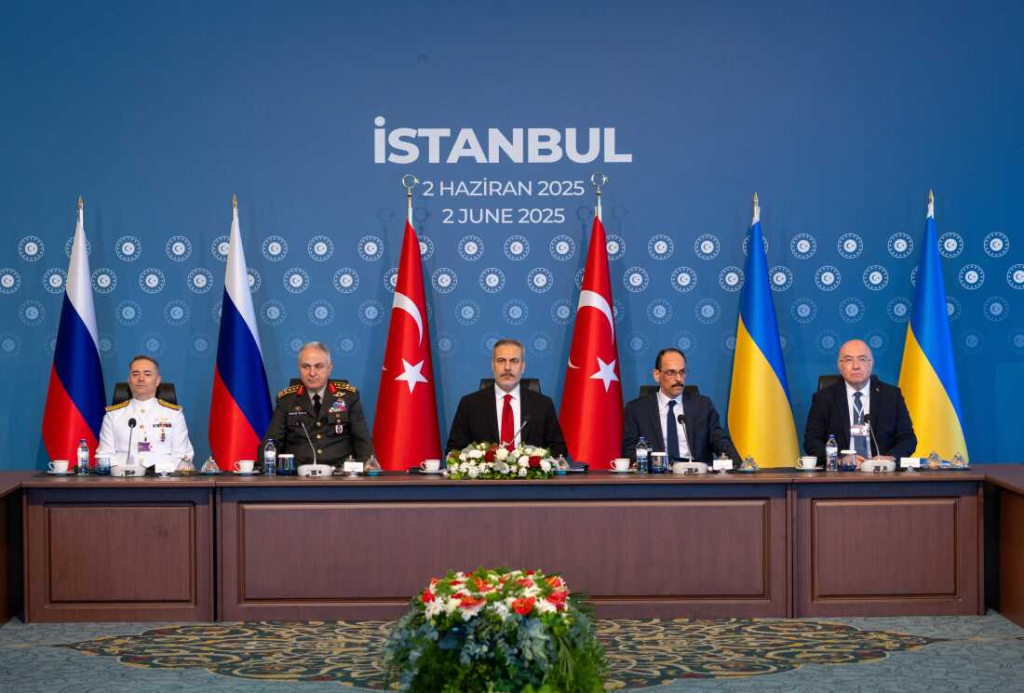
Ukraine and russia have begun face to face discussions in Istanbul for the first time since 2022. Much has changed since then; Ukraine has retaken vast swathes of occupied territory, russia proper has been occupied by Ukrainian forces, russian war crimes and terror attacks have solidified resistance, and hundreds of thousands more have been killed and injured.
The West, primarily the Trump Administration in the United States but also other appeasenik states in Europe, view the talks taking place Istanbul as a sign that the war is drawing to a close. Or, at the very least, that they represent a notable and concrete step towards peace. This could not be further from the truth.
russia has used the talks to simply restate their maximalist demands, call for Ukrainian capitulation, and mock the Ukrainian children they have abducted. russia has not once given assurance or even indication that they will end the war without achieving their aims from the beginning of the war, which amount to the complete surrender of Ukraine.
The only “negotiated” settlement that the West could theoretically force Ukraine into accepting now would be one that requires the ceding of land, the abandonment of resistance, and demilitarisation. This would inevitably lead to a resumption of the conflict once russia is ready to finish what it set out to do three years ago, and Ukraine has been left weakened. This is unacceptable to Ukraine, and should be unacceptable to the West. If this is not the outcome the West wants, then its leaders must look again at what is really happening in Istanbul.
Wanting to talk is not wanting to negotiate
The fact that a delegation has been sent to Istanbul is not an indication that there has been a change and that there is a genuine will to negotiate an end to the war. It is merely the latest attempt to appease President Trump’s vain fantasy that he is a global peacemaker, and stave off further sanctions.
The fundamental reality is that russia will not negotiate an end to the war while they still wish to prosecute it. Ukraine wants the war to end. They don’t want to capitulate, but they want an end to the loss of life, land, and livelihood that this savage war russia unleashed has inflicted on their country. Ukraine has already indicated a willingness to negotiate down from their maximalist demands, and that they would give up on immediate NATO access, full reparations, and international prosecutions for war crimes.
russia, on the other hand, seeks no such end. They refuse to back down on any of their outrageous and illegal demands of Ukraine. This is because russia sees no need to end the war, and actively wishes for it to continue. As russian soldiers rampage throughout Ukraine, the russian state can rely on the good will and support of their people. Regular polling shows that the russian populace supports the war, they want victory. As missiles slam into Ukrainian residential neighborhoods and children are killed in their homes, russians laugh react the news in telegram channels dedicated to the war. Reporters and pundits call for the taking of more land, the extermination of the Ukrainian nation, the future invasion of Poland, the Baltics, Germany, and beyond.
The reality is that the war in Ukraine can only end when russia has been made willing to end it.
Three ways to unlock negotiations for peace
There are, most likely, three ways in which russia’s will to continue this war can be curtailed. All of which are predicated on the requirement to make russia seek an end to this war. Until such time as that has been achieved, there will be no peace.
The first is through financial destruction. This has been the primary objective of the collective West to date. The intention of the waves of Western sanctions on russia has been to grind their economy to a halt and break their ability to fight. To date, this has not worked. The russian economy has been propped up by the West’s continued purchasing of fossil fuels, alternative buyers being found, and a shift to a long term war economy that has buoyed growth and maintained near full employment. While the cracks may be beginning to show, this approach was never certain to work, has been undermined by the West itself, and has prolonged the war. We cannot afford to rely on this policy alone to bring russia to heel.
The second is through victory on the battlefield. This option has been avoided, and even undermined, by the West throughout the war so far, but is the optimal one. Ukraine’s latest assault behind russian lines against their strategic bomber fleet, the fact that russia is already approaching a million combat casualties in the war1, and the possibilities that unlocked western military aid could deliver for the war effort all show that the recipe for defeating russia militarily is there. Ukrainians are ready to continue defending their nation, with greater military aid to amplify their will and abilities, russia could be forced to face true military defeat and the necessity of withdrawal. This could set the stage for genuine peace talks, in which a russia defeated on the battlefield is willing to negotiate an end to the war that is not complete humiliation.
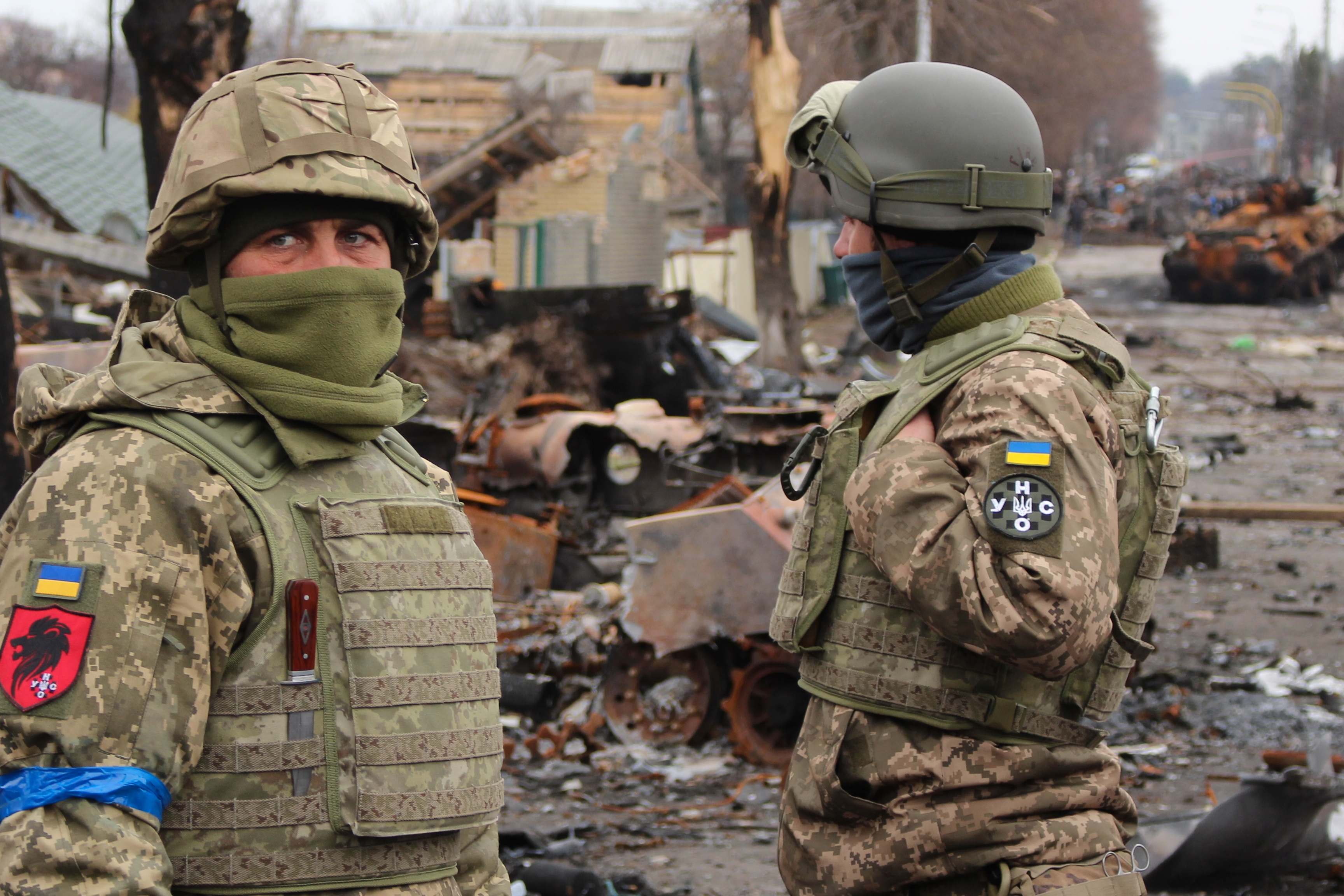
The third is to make russia, and the people of russia, fear Ukraine and continuation of the war. This hypothetical is not often discussed publicly, and cannot be morally endorsed by Western leadership. However, no matter how morally indefensible this scenario may be, it remains a risk if the war continues without resolution. It would see the war brought to russia in the way that russia has brought the war to Ukraine; the targeting of civilian infrastructure, the end of all restraint in the use of military force, and the utilization of terror as a tactic to erode popular support for the war.
This tactic has not worked against the Ukrainian population as the stakes are too high; genocide is never the preferable option to resistance, no matter how grave the cost. For the population of russia though, the calculus is different. Ignominious defeat and retreat would likely be preferable to daily fear and violence. should russia remain intransigent in its desire to prosecute the war, there is a risk that rogue factions in Ukraine, beyond the control of its leadership, may seek to pursue retaliatory violence as a way to bring an end to the war. These actions would fundamentally undermine Ukraine’s moral standing and international support, but that is no guarantee against it. Half measures only prolong the war, and a prolonged war increases the risk of such an outcome. The best, if not only, way to avoid this scenario is to pursue one of the previous two.
The requirements for negotiations
It is axiomatic that negotiations can only succeed if both sides are willing to take part in good faith. Ukraine has shown it is willing to do so, accepting against its wishes the call for an immediate and full ceasefire despite their fear of a frozen war. Removing demands for international prosecutions for russian leadership post war. Accepting a gradual negotiated solution to the conflict, and security guarantees for both sides. russia has not done so, and without pressure never will.
For negotiations to have even the merest hope of success, russia must be made to be willing to negotiate. Unfortunately, the choice of how to do so lies in the hands of Western leaders, for now. For all our sakes, our leaders must acknowledge the necessity of both military and economic might in breaking russia’s will. If they do not, this war will likely not end without a transition to a far bloodier, far less desirable phase.
- Casualties, it should be noted, includes dead and wounded ↩︎

 Simmonds-Upton: Scribbler
Leave a comment